
Laos, region by region.
Temples, waterfalls, night markets, caves and quiet river islands. This is our guide to what to do across Laos, checked for accuracy.
Northern Laos
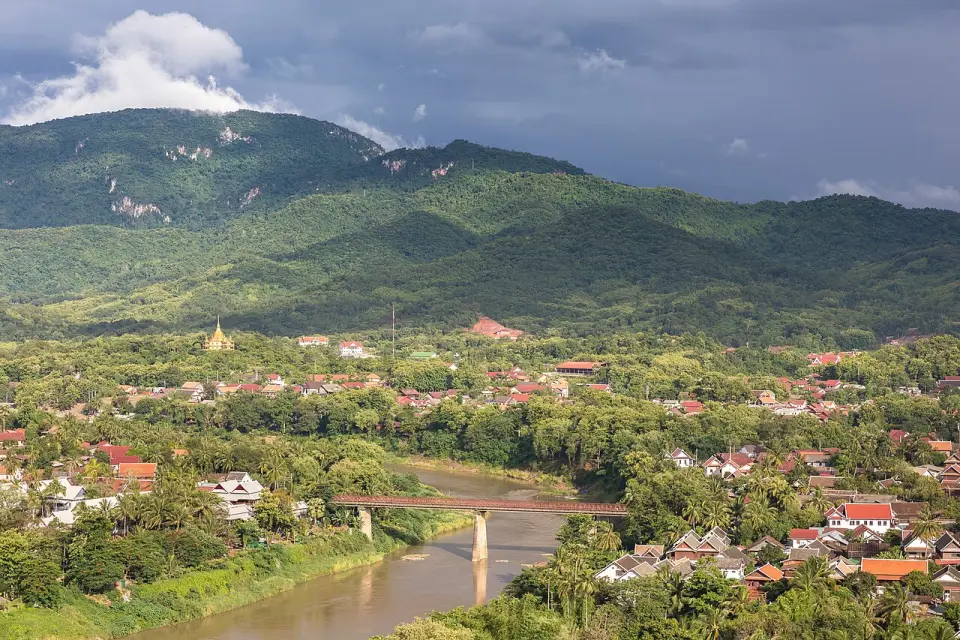
Luang Prabang
Gilded temples, saffron dawns and two rivers. The old royal capital rewards slow days.
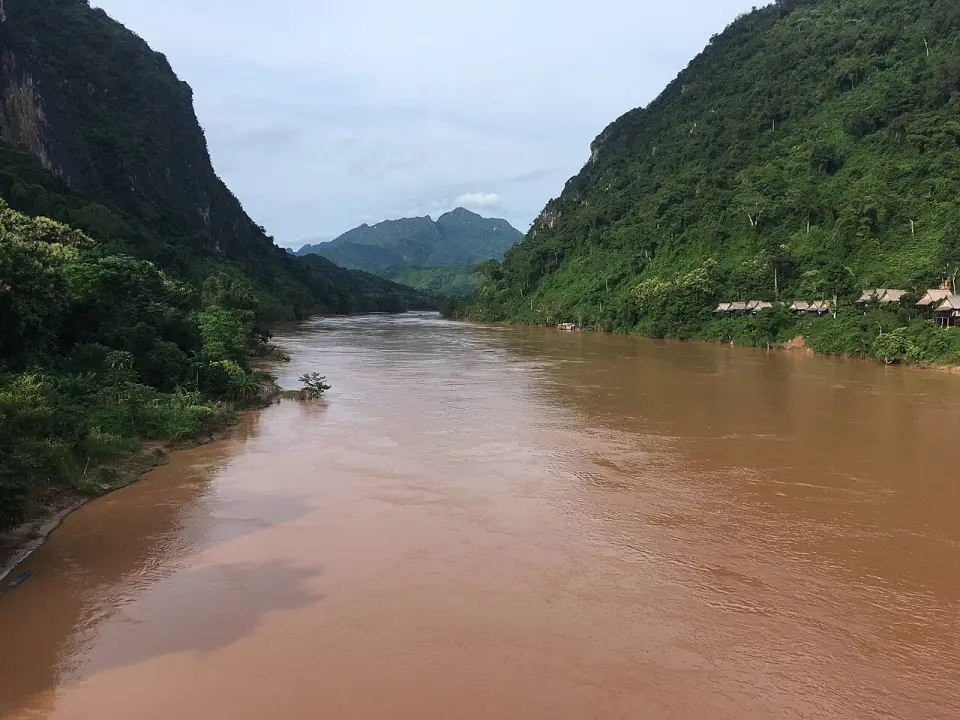
Nong Khiaw & Muang Ngoi
Karst peaks over the Nam Ou, sunrise viewpoints and villages reached by boat.
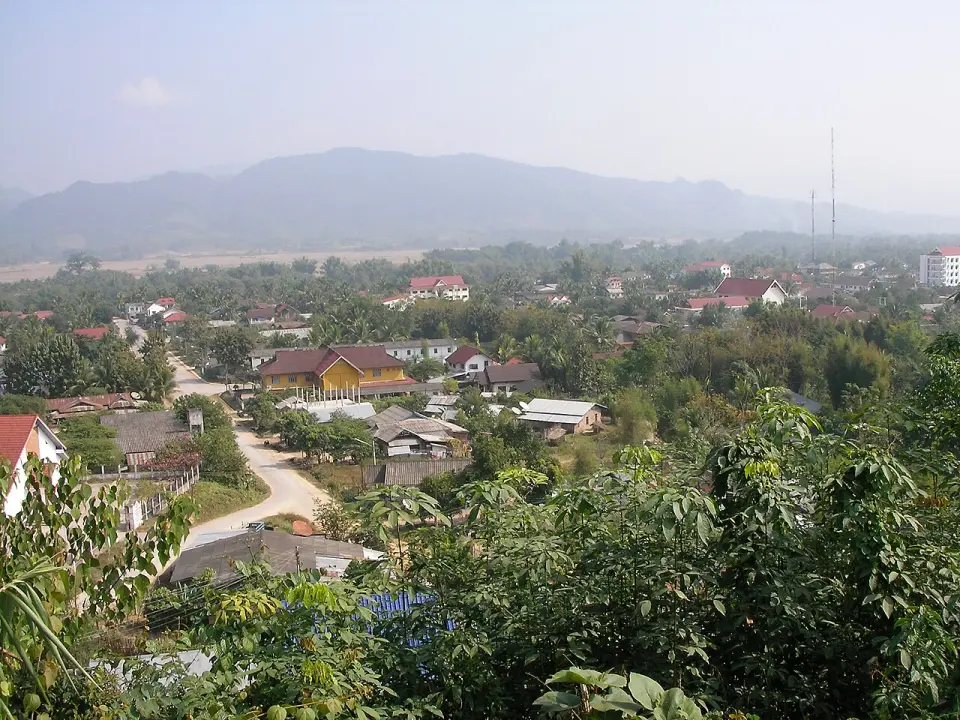
Luang Namtha & Muang Sing
Community treks in the Nam Ha forests, cycling valleys and the gateway to China.
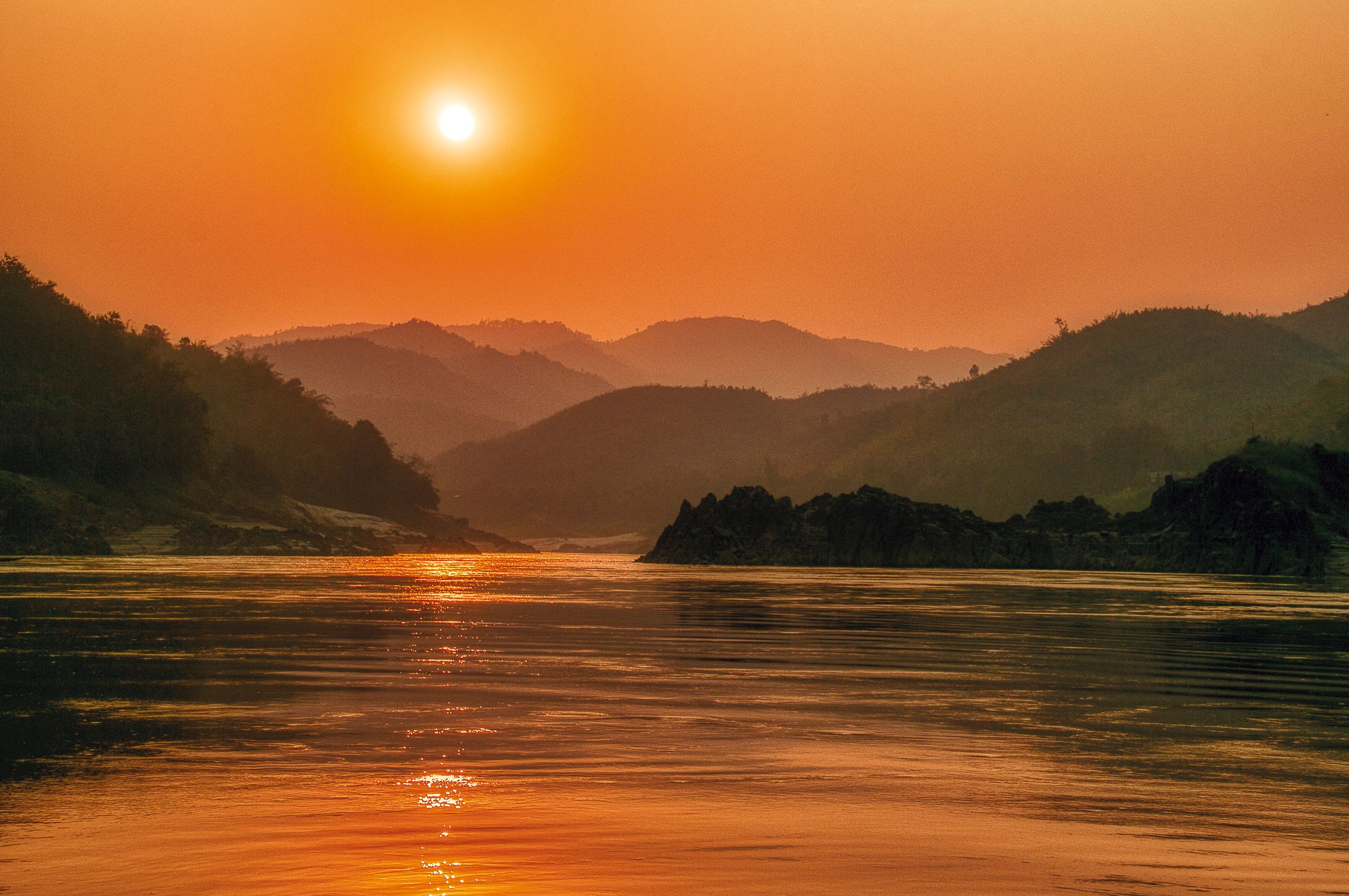
Bokeo & Huay Xai
Treehouse ziplines, the slow boat to Luang Prabang and the Fourth Friendship Bridge.
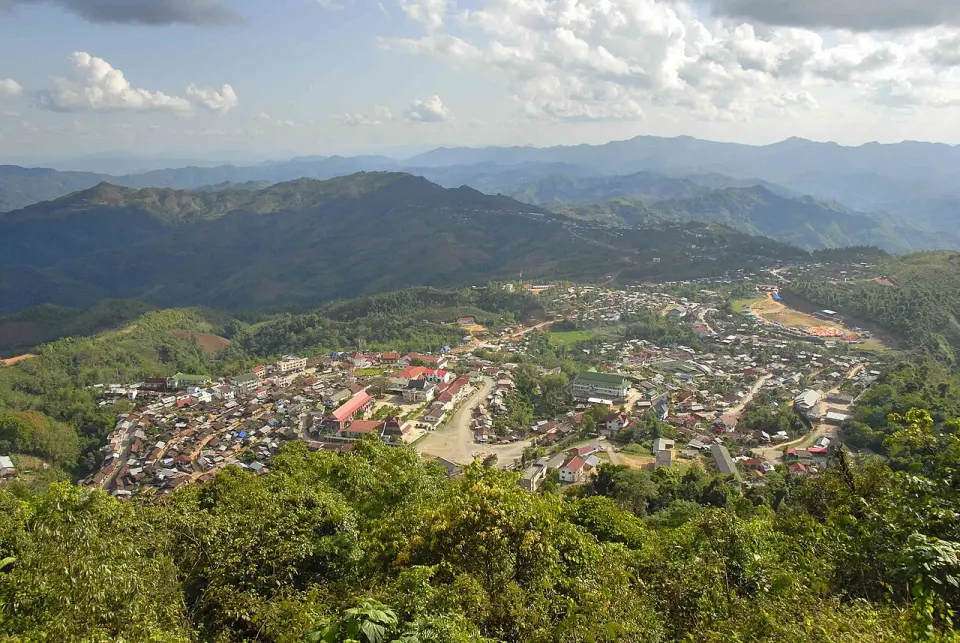
Phongsaly
Misty ridges, ancient tea trees and some of the most remote trekking in Laos.
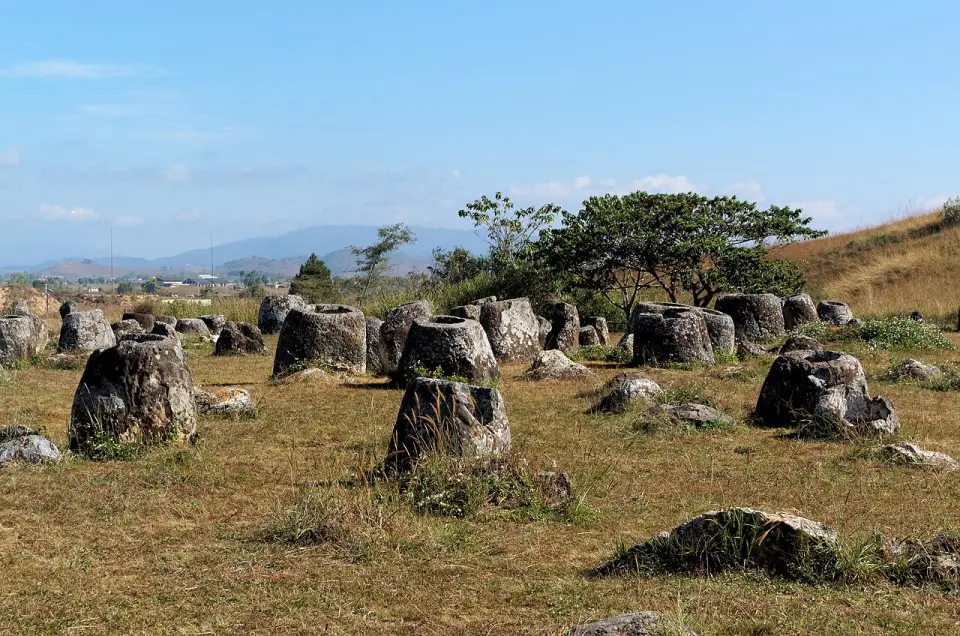
Xieng Khouang & the Plain of Jars
Mysterious Iron Age stone jars, a cool plateau climate and powerful wartime history.
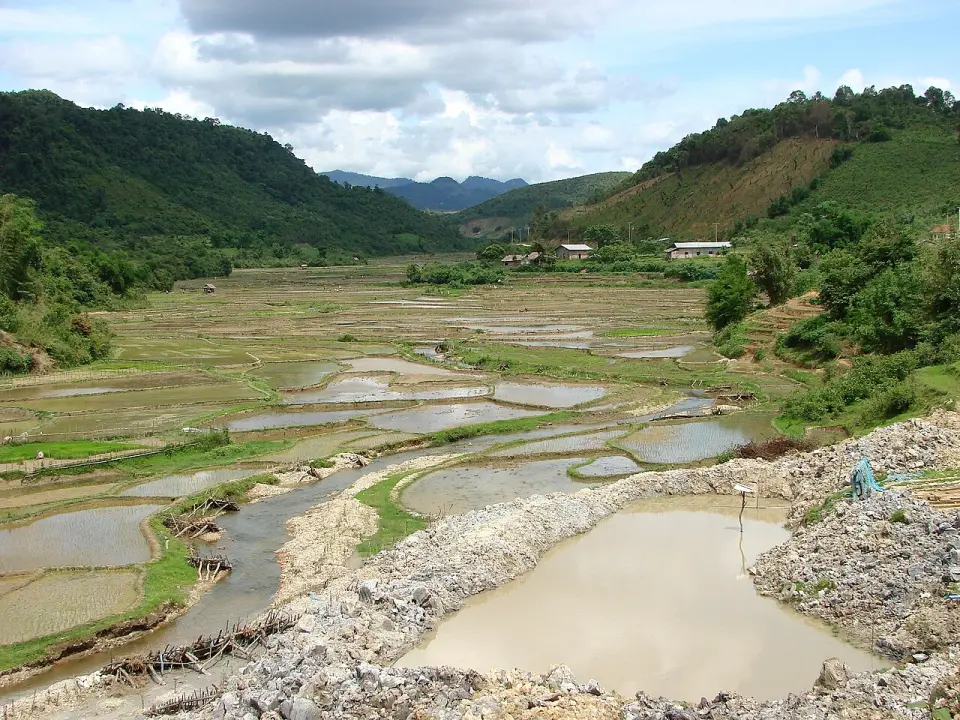
Houaphanh: Sam Neua & Vieng Xai
Revolutionary cave cities, fine Tai silk and night-time wildlife safaris by boat.
Central Laos
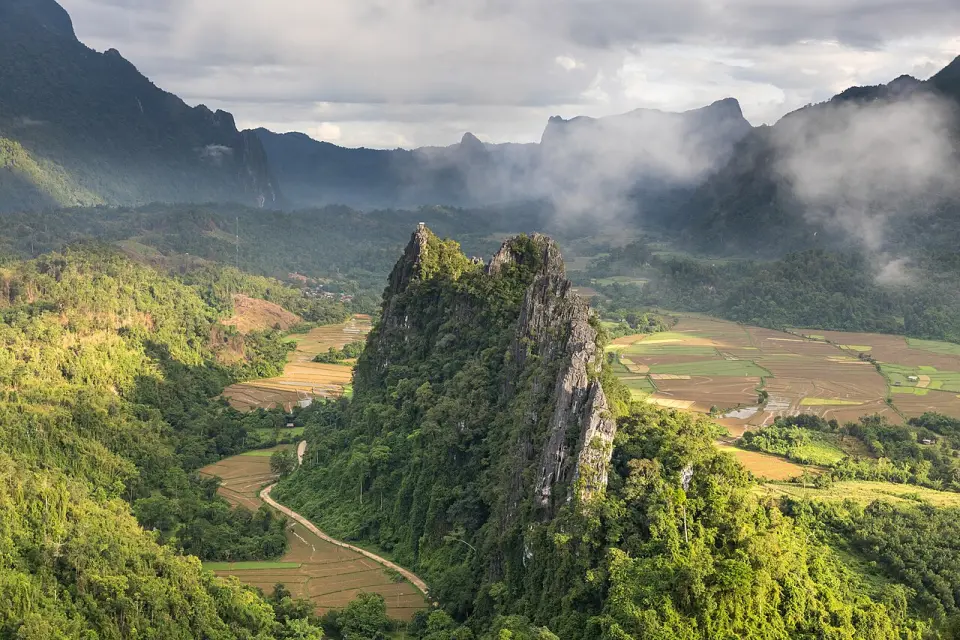
Vang Vieng
Blue lagoons, caves, balloons and rivers beneath dramatic limestone cliffs.
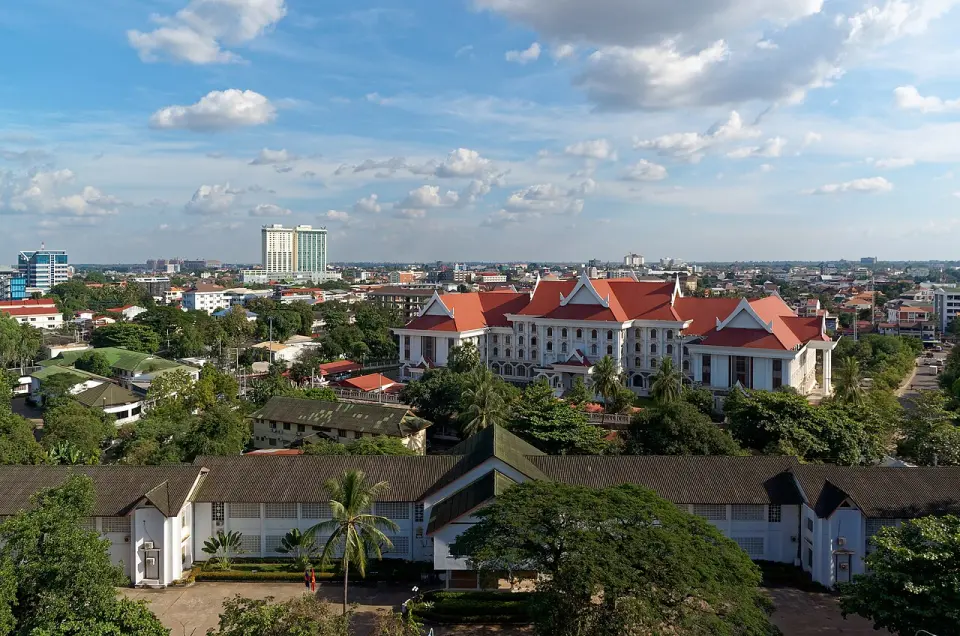
Vientiane
A relaxed riverside capital of golden stupas, coffee culture and sunset aerobics.
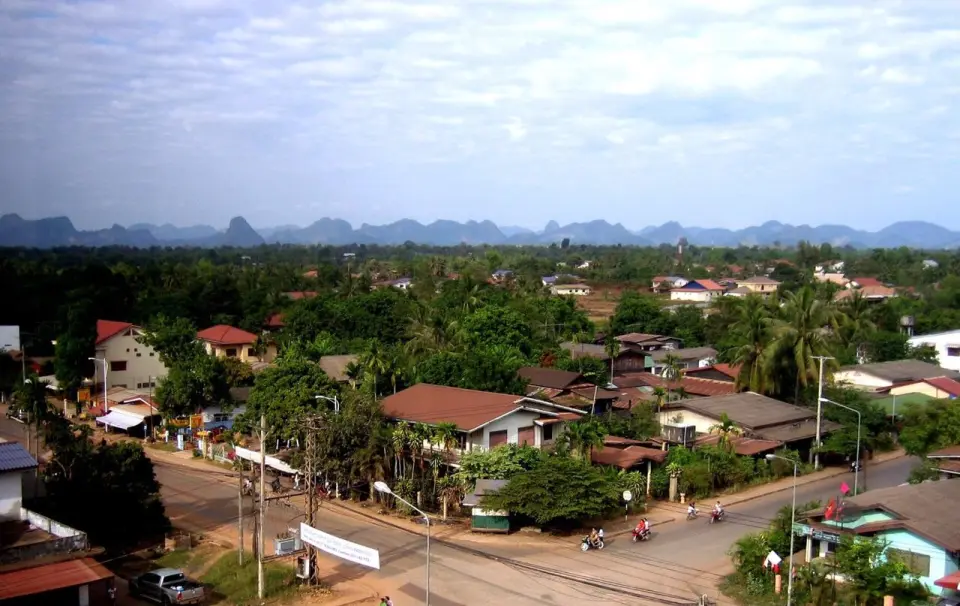
Thakhek & Khammouane
The famous motorbike loop, a 7 km river cave and serious limestone climbing.
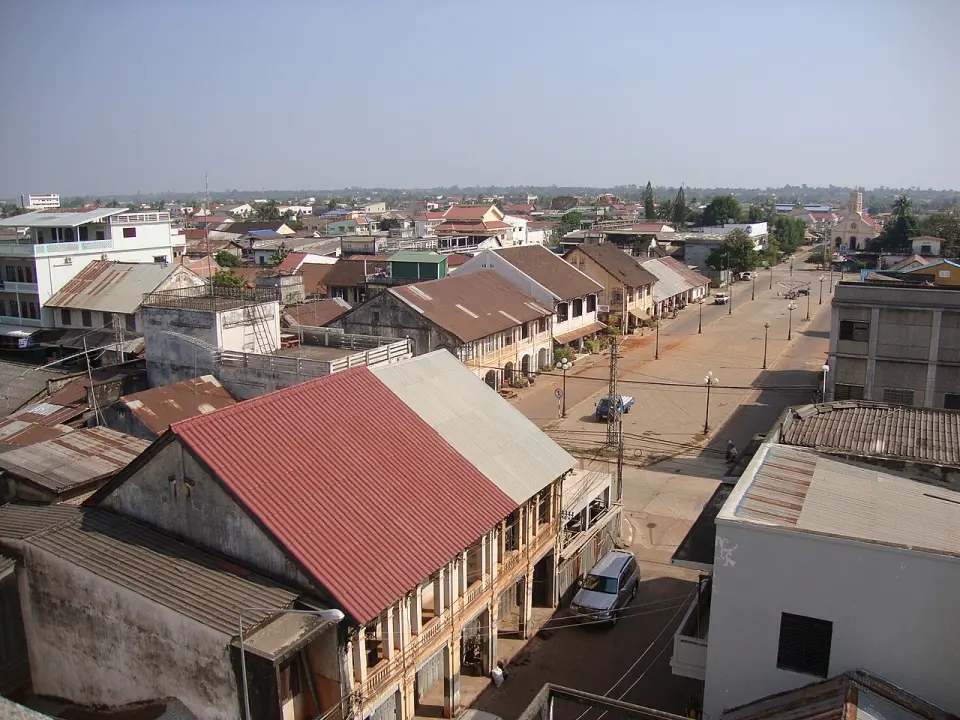
Savannakhet
A colonial old town, dinosaur fossils and sacred stupas on the East-West corridor.
Southern Laos
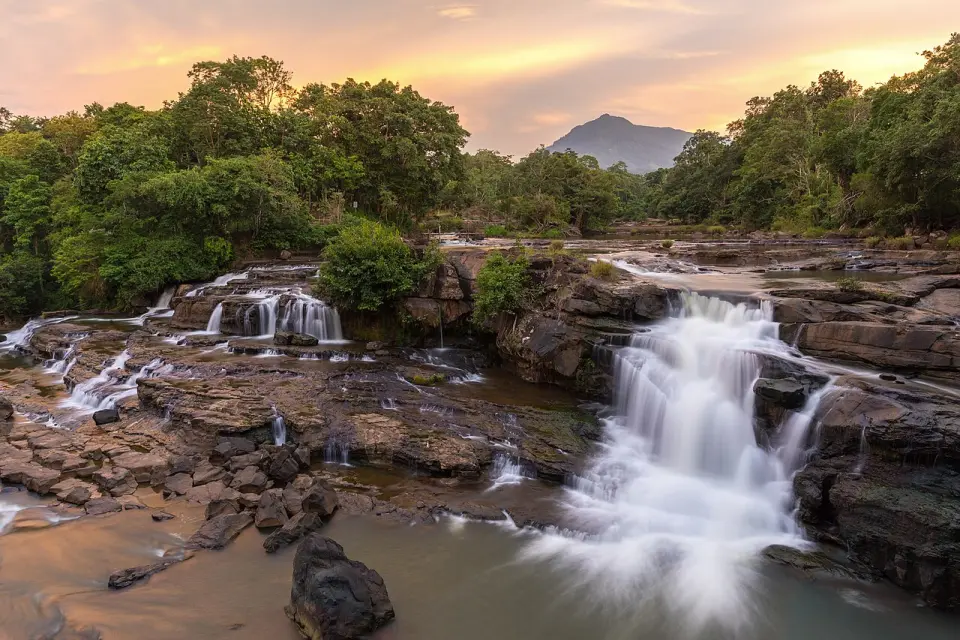
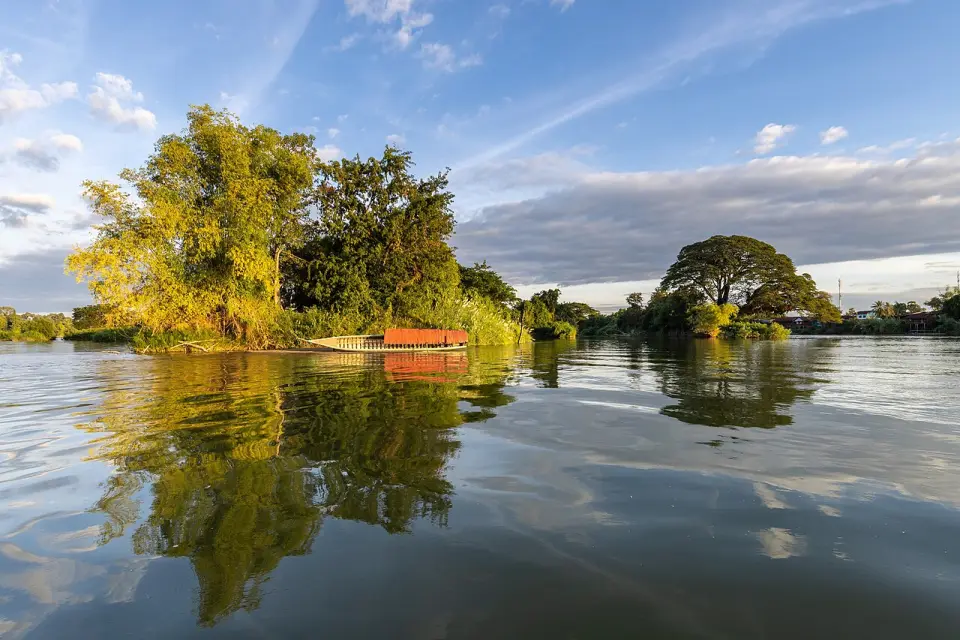
Photographs by Wikimedia Commons contributors, used under free licences. Photo credits
Practical Laos.
What to know before you arrive, whether you come by train from Kunming, over a Friendship Bridge or by air.
When to go
November to February is cool and dry and the busiest time. March to May is hot, with smoky skies in the north. June to October brings rain, green rice fields and full waterfalls.
Money
The Lao kip is the official currency and what markets and street food expect. Many hotels and tour agencies also quote in US dollars or Thai baht. ATMs are common in towns but scarce on the islands and in remote areas.
Getting around
The Laos-China Railway links Vientiane, Vang Vieng, Luang Prabang and Boten, with through trains to Kunming. Buses and minivans cover the rest; slow boats still run on the Mekong between Huay Xai and Luang Prabang.
Etiquette
Cover shoulders and knees at temples and remove shoes indoors. Don't touch anyone's head or point your feet at people or Buddha images. Women should not touch monks. Ask before photographing people.
Staying safe
Unexploded ordnance remains in parts of the countryside, especially in Xieng Khouang, Houaphanh and the south. Stay on marked paths. Wear a helmet on motorbikes, carry travel insurance, and treat river currents with respect.
Entry & visas
Citizens of ASEAN countries can visit without a visa for short stays. Many other nationalities can use the Lao e-Visa or get a visa on arrival at major borders. Rules change, so always check the official Lao e-Visa site before you travel.
Ask our assistant, in your language.
Build an itinerary, check train routes or find a quiet waterfall. Our AI assistant knows this guide and answers in English, Lao, Thai, Vietnamese, Khmer, Burmese or Chinese.
Let's build your bridge to the digital world.
Tell us what you're working on. We'll reply with next steps, in English or Lao.